Designing and executing Commercial Electrical Installation for office spaces is far more complex than simply running wires and installing light fixtures. Modern offices depend on a carefully engineered electrical infrastructure that supports productivity, technology integration, energy efficiency, and long-term scalability. From foundational wiring systems to advanced lighting controls and structured data cabling, every component must function cohesively to create a reliable and efficient work environment. A well-planned office electrical installation not only powers daily operations but also supports employee comfort, operational continuity, and future expansion.
Office environments have evolved dramatically over the past two decades. Today’s workplaces rely heavily on digital tools, cloud-based platforms, video conferencing systems, and collaborative technologies. This transformation has increased demand for stable power distribution and integrated data networks. Commercial electrical installation for office spaces must therefore account for both electrical load requirements and communication infrastructure. Proper planning at the outset ensures that the workspace remains adaptable to technological advancements and shifting business needs.
The first phase of any commercial office electrical installation begins with load analysis and system design. Electrical professionals assess the anticipated electrical demand of workstations, conference rooms, break areas, HVAC systems, and specialized equipment. Office buildings often include copiers, printers, servers, kitchen appliances, security systems, and access control devices, all of which require dedicated circuits or specific voltage considerations. Accurate load calculations prevent overload conditions and ensure that panels and feeders are properly sized for both current and future usage.
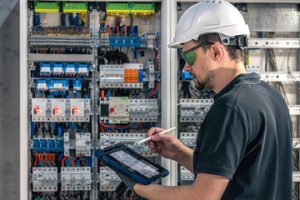
A reliable wiring infrastructure forms the backbone of office electrical systems. Conductors must be sized appropriately, routed efficiently, and installed according to code requirements. Conduit pathways, cable trays, and junction boxes are strategically positioned to optimize performance and simplify maintenance. Proper labeling and documentation are critical, particularly in larger office environments where multiple panels and distribution boards may be present. Organized wiring not only enhances safety but also reduces troubleshooting time if issues arise.
When planning wiring systems in office spaces, several key considerations come into play:
- Adequate circuit distribution to prevent overloading shared circuits.
- Separation of power and data lines to reduce electromagnetic interference.
- Provision for future expansion through spare conduit capacity and panel space.
- Compliance with safety standards for grounding and surge protection.
Each of these elements contributes to a stable and efficient electrical framework. By incorporating flexibility into the design, businesses can avoid disruptive and costly retrofits when expanding or upgrading technology.
Lighting design is another crucial aspect of commercial electrical installation for office environments. Lighting directly impacts employee productivity, mood, and overall workplace satisfaction. Poorly designed lighting can cause eye strain, fatigue, and reduced efficiency. Modern office lighting systems typically incorporate energy-efficient LED fixtures, which provide consistent illumination while reducing operating costs. In addition to energy savings, LED technology offers a longer lifespan and lower maintenance requirements compared to traditional lighting options.
Effective office lighting design balances ambient, task, and accent lighting. Open-plan workspaces benefit from evenly distributed overhead fixtures that minimize shadows and glare. Task lighting at individual workstations allows employees to adjust illumination levels based on personal preference and job requirements. Conference rooms often include dimmable lighting systems to accommodate presentations and video conferencing. Integrating lighting controls such as occupancy sensors and daylight harvesting systems further enhances efficiency by automatically adjusting lighting levels based on room usage and natural light availability.
Energy efficiency remains a top priority in commercial office electrical installations. Businesses seek to reduce operational costs and align with sustainability objectives. Advanced lighting controls, programmable timers, and centralized management systems enable facility managers to monitor and optimize energy consumption. These systems can automatically shut off lighting in unoccupied areas, adjust brightness levels during daylight hours, and generate usage reports for performance analysis. Such strategies contribute to long-term cost savings and environmental responsibility.
Data integration is arguably one of the most critical components of modern office electrical systems. Offices depend on reliable internet connectivity, secure networks, and uninterrupted communication systems. Structured cabling systems provide organized pathways for data transmission, ensuring that workstations, servers, and communication devices remain connected. Commercial electrical installation professionals collaborate with IT specialists to design integrated systems that support both power and data needs.
Structured cabling typically includes category-rated cables for data transmission, fiber optic lines for high-speed connectivity, and dedicated server room infrastructure. Proper cable management is essential to prevent tangling, overheating, and signal interference. Separation between power cables and data cables minimizes electromagnetic disruption, preserving signal quality. Additionally, server rooms require specialized electrical considerations, including dedicated circuits, cooling systems, and uninterruptible power supplies to protect sensitive equipment.
Modern office spaces often incorporate collaborative technologies that demand robust electrical support. Video conferencing systems, interactive displays, and digital whiteboards require both power and data connectivity. Electrical installations must accommodate these devices through strategically placed outlets, floor boxes, and wall-mounted connection points. Careful planning ensures that conference rooms remain functional and adaptable to evolving technology trends.
Backup power integration is another important factor in office electrical installations. Power interruptions can disrupt communication systems, compromise data integrity, and halt business operations. Installing backup generators or battery-based uninterruptible power supplies helps maintain critical systems during outages. Automatic transfer switches ensure seamless transitions between utility power and backup sources. Protecting essential circuits such as server rooms, security systems, and emergency lighting safeguards business continuity.
Safety considerations are fundamental in commercial electrical installation for office spaces. Proper grounding, circuit protection, and compliance with electrical codes reduce the risk of fire and electrical shock. Arc fault and ground fault protection devices enhance safety by detecting abnormal electrical conditions and shutting down circuits before hazards escalate. Regular inspections and adherence to installation standards ensure long-term reliability.
Another significant aspect of office electrical installation is scalability. Businesses evolve, expand, and reconfigure their spaces over time. Flexible wiring systems, modular panel designs, and accessible cable pathways allow for easier modifications. Whether adding new workstations, upgrading lighting systems, or integrating additional data infrastructure, a scalable electrical design supports growth without major disruptions.
Office renovations often present unique challenges. Existing wiring may not meet modern power or data demands, requiring upgrades to panels, circuits, or distribution systems. During renovation projects, electrical professionals must carefully coordinate with other trades to minimize downtime and maintain safety. Phased installation strategies allow businesses to continue operations while improvements are underway.
Key benefits of professional commercial electrical installation for office spaces include:
- Enhanced productivity through optimized lighting and reliable power distribution.
- Improved data connectivity and network stability.
- Reduced energy costs through efficient design and advanced controls.
- Increased property value supported by modern, scalable infrastructure.
These advantages highlight the importance of investing in high-quality installation services. Electrical systems are not merely background utilities; they are strategic assets that directly impact business performance.
Maintenance planning should also be incorporated into the installation process. Well-documented panel schedules, labeled circuits, and organized cabling simplify ongoing service and inspections. Routine preventive maintenance ensures that electrical systems continue to operate safely and efficiently. Early detection of potential issues prevents costly repairs and operational interruptions.
Environmental factors such as temperature, humidity, and dust can influence the performance of electrical components. Server rooms and data centers within office spaces require controlled environments to prevent overheating and equipment failure. Electrical installations must account for ventilation, cooling systems, and proper spacing to maintain optimal conditions.
In addition to functionality, aesthetics play a role in office electrical design. Concealed wiring, integrated floor boxes, and streamlined lighting fixtures contribute to a clean and professional appearance. Modern office design often emphasizes open layouts and minimal visual clutter. Thoughtful electrical planning ensures that necessary infrastructure remains unobtrusive while delivering full performance.
As businesses continue to adopt smart building technologies, commercial electrical installation for office spaces must accommodate intelligent systems. Automated lighting controls, occupancy analytics, and energy monitoring platforms enhance efficiency and provide valuable operational insights. Integrating these technologies during initial installation reduces complexity and supports long-term innovation.
Ultimately, commercial electrical installation for office spaces involves a careful balance of wiring infrastructure, lighting design, and data integration. Each element must be engineered with precision and foresight to create a workspace that supports productivity, safety, and adaptability. By prioritizing comprehensive planning, energy efficiency, and scalable design, businesses can build office environments that remain resilient and future-ready.
A thoughtfully designed electrical system empowers organizations to operate seamlessly, communicate effectively, and adapt confidently to technological advancements. Investing in professional commercial electrical installation ensures that office spaces are equipped with the infrastructure necessary to meet today’s demands and tomorrow’s opportunities.