HVAC

The Three Core Processes of an HVAC System

HVAC systems provide cooling, filtration and heating in residential and commercial buildings. They keep the occupants comfortable, and are critical in regulating building temperature and air quality to meet operational standards.
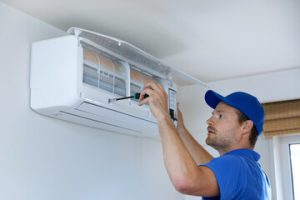
HVAC

Dirty filters restrict airflow and reduce efficiency, so it’s important to replace them regularly. Choosing the right system is also crucial, and consultations with professional HVAC contractors can help.

The world of HVAC is vital to modern living, ensuring comfort and efficiency in our homes and businesses. But it can be overwhelming with its jargon and various components. This blog will break down the essential elements of an HVAC system and explain how they work to regulate temperature, circulate air, and improve indoor air quality.

The heating portion of an HVAC system relies on a refrigerant to circulate through coils and a compressor. When operated in reverse during the winter, this fluid absorbs heat from the atmosphere and provides warm air to your home. The most common type of HVAC systems use R410A refrigerant, which is free of chlorine and safe for the environment.

There are many types of heating systems, but one of the most common is a furnace or boiler. These systems can be powered by natural gas, electricity, or oil and are a great way to provide warmth in a home or business. They also work with an air handler and ductwork to distribute the warm air throughout the building.

Another popular option is a heat pump. These boxy units look a lot like an AC unit, but are designed to control both heating and cooling. They work the same as an AC in summer, removing heat from the air and expelling it outdoors. However, they also use their own coils to create warmth during the winter by absorbing the ambient air.

There are also hybrid HVAC systems that can switch between electricity and gas power as needed. These units are best for people with limited space or who want to reduce their energy usage. They operate the same as a split system, but house all of the equipment outside to save space.

Cooling

When people hear the term “HVAC,” they often think of heating and cooling systems that keep homes comfortable year-round. However, HVAC technology goes well beyond temperature control to provide ventilation and fresh air, too. This article will explain the three core processes of any residential HVAC system:

Heating

Furnaces, boilers and heat pumps use fuel (gas, oil or electricity) to create warmth for indoor environments. This heat is distributed through ductwork, radiators or underfloor heating systems.

Ventilation

HVAC systems circulate fresh air throughout homes to ensure proper temperature and humidity control. This helps reduce respiratory problems caused by irritants such as pollen, dust and mildew. It also allows you to reduce the amount of energy used to heat and cool a home by properly adjusting your thermostat setting.

Cooling

HVAC appliances, typically air conditioners, reduce indoor temperatures and control humidity. A central HVAC system uses a combination of an indoor air handler unit and ductwork to deliver conditioned air, while ductless mini-split systems utilize individual blower units to directly supply occupied spaces.

The core component of any AC unit is the compressor, which operates via the refrigeration cycle to remove heat from a building’s interior and expel it outdoors. Its efficiency is determined by its Seasonal Energy Efficiency Ratio, or SEER rating.

In addition to the air handler unit and ductwork, HVAC systems include air filters to trap unwanted particles from entering your living spaces. The quality of these air filters is measured by their Minimum Efficiency Reporting Value, or MERV rating.

The overall function of any HVAC system is regulated by its thermostat, which senses a home’s internal temperature and activates the necessary equipment to achieve that level. It’s important to note that the longevity of your HVAC system is greatly affected by how frequently you direct it to operate, and whether it’s properly sized for your home. A system that’s overused will break down faster than one that receives the appropriate level of attention on a regular basis. This is why yearly inspections are so important! The experts at Ongaro and Sons can help you choose the best HVAC system for your needs.

Ventilation

The “V” in HVAC may not get as much attention as the heating and air conditioning aspects of the system, but it’s just as important. Ventilation provides fresh air to indoor spaces, removing stale, unhealthy pollutants and odors. It also prevents moisture buildup, which can lead to mold and mildew problems.

The ventilation system typically consists of ducts, vents, air handlers and filters. It may also include a humidifier and dehumidifier to control indoor humidity levels. Air is drawn in from outside through the vents, then passed through a filter before being released into rooms or sent back to the unit for reconditioning.

In older homes, outdoor air is often able to seep in through leaky ducts or poorly sealed windows and doors. This is a good thing, as it replenishes indoor air with fresh outdoor air. However, it also causes your air conditioner to work harder in summer and your furnace to work harder in winter, which wastes energy and drives up your bills.

Leaks and cracks in a home can also allow conditioned air to escape, which can lead to poor indoor air quality. A properly functioning ventilation system prevents this by ensuring that outdoor air always replaces indoor air. It also helps to keep indoor air at the proper temperature by regulating the refrigerant’s pressure.

The evaporator coil in your air conditioner condenses water vapor into the surrounding air, which helps to dehumidify indoor air. The resulting low humidity level helps to control dust and allergens. This is especially beneficial for people with respiratory issues.

The best way to determine how well your ventilation system is working is to check the indoor air quality in your space. You can do this by measuring the rate at which outdoor air replaces indoor air. An experienced HVAC technician can tell you the recommended air exchange rate, or you can use calculators online to calculate it yourself. If your air exchange rate is lower than it should be, it’s time to schedule a professional to inspect and repair the system. It will be cost-effective in the long run to ensure that your ventilation system is working at maximum efficiency.

Maintenance

HVAC systems provide many benefits, but they can’t be relied on to function flawlessly forever. When they start to break down, it can cause discomfort for building occupants, skyrocket energy bills and jeopardize indoor air quality. These problems can be easily prevented with regular preventative maintenance.

During a maintenance visit, professional technicians inspect, clean and test system components to ensure they are in good working order. They also lubricate moving parts to reduce friction and improve efficiency. They can also detect and fix small issues before they become major problems, reducing repair costs.

A properly maintained HVAC system can last up to twice as long as one that is not regularly serviced. It can also save a significant amount of money on energy bills.

In addition to changing filters, cleaning evaporator and condenser coils, and examining electrical connections, HVAC maintenance includes checking the refrigerant levels. This is essential because if the refrigerant level is too low, it will reduce system efficiency. This can also lead to compressor damage.

Another important aspect of HVAC maintenance is checking the airflow through the ductwork and ensuring it is not blocked by furniture, drapes or rugs. A clogged vent can cause the system to work harder and waste more energy. Finally, checking for leaks in the refrigerant lines is vital. Leaks can lead to water intrusion into the system and cause serious and expensive damage.

It is critical to choose a reliable and qualified technician to perform HVAC preventative maintenance. This is because some tasks are very technical and only a certified and licensed professional can do them correctly. A reputable company will offer warranties and insurances for their services that protect property owners/occupants, managers and facility assets from paying expensive repairs in case something goes wrong with the system.

The best time to perform preventative maintenance is during the off-season, when demand for services is lower and the temperatures are milder. This way, a technician can be available quickly to address any problems and avoid having to wait in the cold or heat for a replacement or repair to be completed.
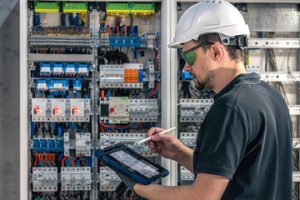
Electrical Services

Commercial Electrical Installation for Office Spaces: Wiring, Lighting, and Data Integration

Designing and executing Commercial Electrical Installation for office spaces is far more complex than simply running wires and installing light fixtures. Modern offices depend on a carefully engineered electrical infrastructure that supports productivity, technology integration, energy efficiency, and long-term scalability. From foundational wiring systems to advanced lighting controls and structured data cabling, every component must function cohesively to create a reliable and efficient work environment. A well-planned office electrical installation not only powers daily operations but also supports employee comfort, operational continuity, and future expansion.

electrical

Office environments have evolved dramatically over the past two decades. Today’s workplaces rely heavily on digital tools, cloud-based platforms, video conferencing systems, and collaborative technologies. This transformation has increased demand for stable power distribution and integrated data networks. Commercial electrical installation for office spaces must therefore account for both electrical load requirements and communication infrastructure. Proper planning at the outset ensures that the workspace remains adaptable to technological advancements and shifting business needs.

The first phase of any commercial office electrical installation begins with load analysis and system design. Electrical professionals assess the anticipated electrical demand of workstations, conference rooms, break areas, HVAC systems, and specialized equipment. Office buildings often include copiers, printers, servers, kitchen appliances, security systems, and access control devices, all of which require dedicated circuits or specific voltage considerations. Accurate load calculations prevent overload conditions and ensure that panels and feeders are properly sized for both current and future usage.

A reliable wiring infrastructure forms the backbone of office electrical systems. Conductors must be sized appropriately, routed efficiently, and installed according to code requirements. Conduit pathways, cable trays, and junction boxes are strategically positioned to optimize performance and simplify maintenance. Proper labeling and documentation are critical, particularly in larger office environments where multiple panels and distribution boards may be present. Organized wiring not only enhances safety but also reduces troubleshooting time if issues arise.

When planning wiring systems in office spaces, several key considerations come into play:

  1. Adequate circuit distribution to prevent overloading shared circuits.
  2. Separation of power and data lines to reduce electromagnetic interference.
  3. Provision for future expansion through spare conduit capacity and panel space.
  4. Compliance with safety standards for grounding and surge protection.

Each of these elements contributes to a stable and efficient electrical framework. By incorporating flexibility into the design, businesses can avoid disruptive and costly retrofits when expanding or upgrading technology.

Lighting design is another crucial aspect of commercial electrical installation for office environments. Lighting directly impacts employee productivity, mood, and overall workplace satisfaction. Poorly designed lighting can cause eye strain, fatigue, and reduced efficiency. Modern office lighting systems typically incorporate energy-efficient LED fixtures, which provide consistent illumination while reducing operating costs. In addition to energy savings, LED technology offers a longer lifespan and lower maintenance requirements compared to traditional lighting options.

Effective office lighting design balances ambient, task, and accent lighting. Open-plan workspaces benefit from evenly distributed overhead fixtures that minimize shadows and glare. Task lighting at individual workstations allows employees to adjust illumination levels based on personal preference and job requirements. Conference rooms often include dimmable lighting systems to accommodate presentations and video conferencing. Integrating lighting controls such as occupancy sensors and daylight harvesting systems further enhances efficiency by automatically adjusting lighting levels based on room usage and natural light availability.

Energy efficiency remains a top priority in commercial office electrical installations. Businesses seek to reduce operational costs and align with sustainability objectives. Advanced lighting controls, programmable timers, and centralized management systems enable facility managers to monitor and optimize energy consumption. These systems can automatically shut off lighting in unoccupied areas, adjust brightness levels during daylight hours, and generate usage reports for performance analysis. Such strategies contribute to long-term cost savings and environmental responsibility.

Data integration is arguably one of the most critical components of modern office electrical systems. Offices depend on reliable internet connectivity, secure networks, and uninterrupted communication systems. Structured cabling systems provide organized pathways for data transmission, ensuring that workstations, servers, and communication devices remain connected. Commercial electrical installation professionals collaborate with IT specialists to design integrated systems that support both power and data needs.

Structured cabling typically includes category-rated cables for data transmission, fiber optic lines for high-speed connectivity, and dedicated server room infrastructure. Proper cable management is essential to prevent tangling, overheating, and signal interference. Separation between power cables and data cables minimizes electromagnetic disruption, preserving signal quality. Additionally, server rooms require specialized electrical considerations, including dedicated circuits, cooling systems, and uninterruptible power supplies to protect sensitive equipment.

Modern office spaces often incorporate collaborative technologies that demand robust electrical support. Video conferencing systems, interactive displays, and digital whiteboards require both power and data connectivity. Electrical installations must accommodate these devices through strategically placed outlets, floor boxes, and wall-mounted connection points. Careful planning ensures that conference rooms remain functional and adaptable to evolving technology trends.

Backup power integration is another important factor in office electrical installations. Power interruptions can disrupt communication systems, compromise data integrity, and halt business operations. Installing backup generators or battery-based uninterruptible power supplies helps maintain critical systems during outages. Automatic transfer switches ensure seamless transitions between utility power and backup sources. Protecting essential circuits such as server rooms, security systems, and emergency lighting safeguards business continuity.

Safety considerations are fundamental in commercial electrical installation for office spaces. Proper grounding, circuit protection, and compliance with electrical codes reduce the risk of fire and electrical shock. Arc fault and ground fault protection devices enhance safety by detecting abnormal electrical conditions and shutting down circuits before hazards escalate. Regular inspections and adherence to installation standards ensure long-term reliability.

Another significant aspect of office electrical installation is scalability. Businesses evolve, expand, and reconfigure their spaces over time. Flexible wiring systems, modular panel designs, and accessible cable pathways allow for easier modifications. Whether adding new workstations, upgrading lighting systems, or integrating additional data infrastructure, a scalable electrical design supports growth without major disruptions.

Office renovations often present unique challenges. Existing wiring may not meet modern power or data demands, requiring upgrades to panels, circuits, or distribution systems. During renovation projects, electrical professionals must carefully coordinate with other trades to minimize downtime and maintain safety. Phased installation strategies allow businesses to continue operations while improvements are underway.

Key benefits of professional commercial electrical installation for office spaces include:

  1. Enhanced productivity through optimized lighting and reliable power distribution.
  2. Improved data connectivity and network stability.
  3. Reduced energy costs through efficient design and advanced controls.
  4. Increased property value supported by modern, scalable infrastructure.

These advantages highlight the importance of investing in high-quality installation services. Electrical systems are not merely background utilities; they are strategic assets that directly impact business performance.

Maintenance planning should also be incorporated into the installation process. Well-documented panel schedules, labeled circuits, and organized cabling simplify ongoing service and inspections. Routine preventive maintenance ensures that electrical systems continue to operate safely and efficiently. Early detection of potential issues prevents costly repairs and operational interruptions.

Environmental factors such as temperature, humidity, and dust can influence the performance of electrical components. Server rooms and data centers within office spaces require controlled environments to prevent overheating and equipment failure. Electrical installations must account for ventilation, cooling systems, and proper spacing to maintain optimal conditions.

In addition to functionality, aesthetics play a role in office electrical design. Concealed wiring, integrated floor boxes, and streamlined lighting fixtures contribute to a clean and professional appearance. Modern office design often emphasizes open layouts and minimal visual clutter. Thoughtful electrical planning ensures that necessary infrastructure remains unobtrusive while delivering full performance.

As businesses continue to adopt smart building technologies, commercial electrical installation for office spaces must accommodate intelligent systems. Automated lighting controls, occupancy analytics, and energy monitoring platforms enhance efficiency and provide valuable operational insights. Integrating these technologies during initial installation reduces complexity and supports long-term innovation.

Ultimately, commercial electrical installation for office spaces involves a careful balance of wiring infrastructure, lighting design, and data integration. Each element must be engineered with precision and foresight to create a workspace that supports productivity, safety, and adaptability. By prioritizing comprehensive planning, energy efficiency, and scalable design, businesses can build office environments that remain resilient and future-ready.

A thoughtfully designed electrical system empowers organizations to operate seamlessly, communicate effectively, and adapt confidently to technological advancements. Investing in professional commercial electrical installation ensures that office spaces are equipped with the infrastructure necessary to meet today’s demands and tomorrow’s opportunities.